Introduction
In today's healthcare landscape, the demand for specialized training in complex bowel care is vital. For numerous individuals with stomas or various other bowel-related conditions, efficient monitoring can substantially improve their quality of life. This short article explores the intricacies of complex bowel care training, concentrating on vital concepts that every carer need to be skilled in. Whether you're an expert caregiver, a member of the family, or somebody curious about comprehending stoma care, this comprehensive guide intends to furnish you with the needed knowledge and skills.
Complex Bowel Care Training: Secret Principles Every Carer Should Know
Understanding complex bowel care includes understanding the different facets associated with bowel function and management. This training encompasses more than just basic hygiene; it includes identifying symptoms, proper stoma care strategies, and understanding how to respond in emergencies.
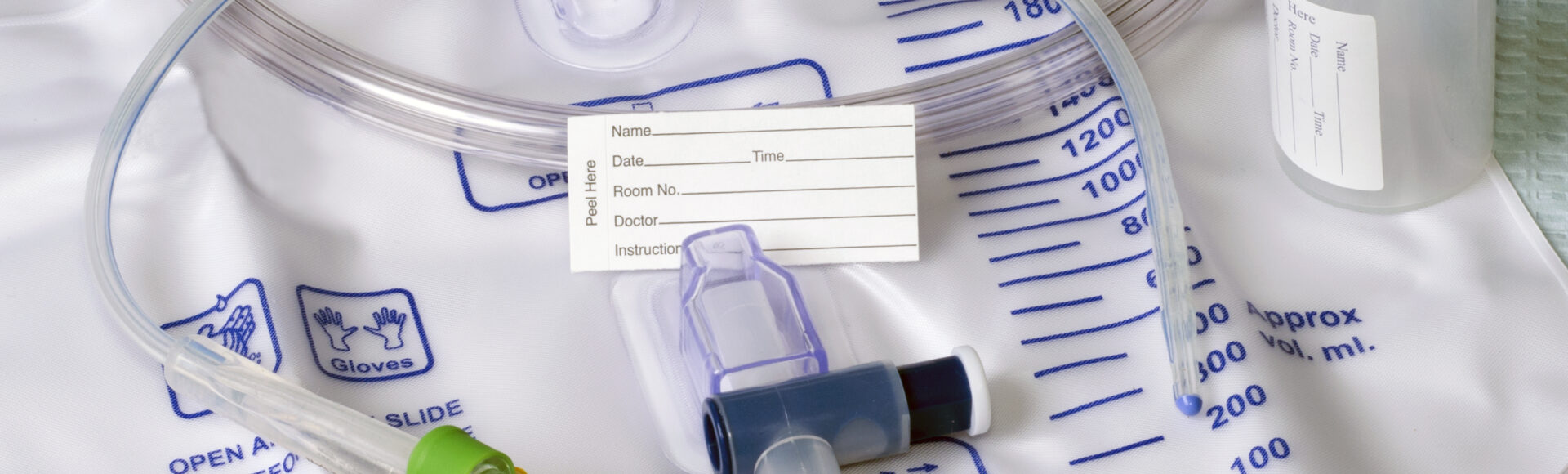
What is Complex Digestive tract Care?
Complex digestive tract treatment describes the customized methods associated with managing individuals who have significant digestive tract problems, consisting of those with ostomies. It surpasses conventional bowel health practices and calls for comprehensive understanding of:
- Bowel anatomy Physiology Stoma types Patient-specific needs
The Relevance of NDIS Complex Bowel Care Training
The National Special needs Insurance System (NDIS) supplies support for individuals with specials needs, consisting of those requiring complex bowel care. Recognizing the importance of this training can boost the level of care supplied to these individuals.
Why NDIS Training Matters?
Tailored Support: Each participant has unique demands that need tailored approaches. Improved Top quality of Life: Reliable management can decrease pain and boost daily living. Compliance with Regulations: Makes certain that carers satisfy sector requirements and guidelines.Understanding Stomas: What is a Stoma?
A stoma is an opening produced during surgical treatment that enables waste to leave the body when normal routes are not readily available because of injury or illness.
Types of Stomas
Colostomy: A section of the colon is brought via the abdominal wall. Ileostomy: The ileum (the last part of the tiny intestine) is drawn away out with the abdomen. Urostomy: A stoma produced for urine diversion.What is Ostomy Care?
Ostomy care entails taking care of a stoma and making sure correct health and administration strategies are followed.
Key Elements of Ostomy Care
- Regular skin assessments Proper pouching systems Managing odor Recognizing complications
Stoma Care Training for Carers
Training programs focused on stoma care prepare caregivers to handle certain obstacles connected with ostomies effectively.
Topics Covered in Stoma Care Training
Anatomy and physiology pertaining to stomas Best practices for transforming pouches Skin security techniques Recognizing indicators of complicationsComplex Digestive tract Care Course Overview
A thorough training course on complex bowel care will commonly cover various topics customized for caregivers.
Course Framework May Include:
- Basic anatomy and physiology Detailed stoma administration techniques Psychological facets of dealing with a stoma Nutrition factors to consider for people with ostomies
Bowel Treatment Management Techniques
Effective bowel monitoring includes numerous strategies focused on improving patient comfort and wellness outcomes.
Essential Methods Include:
Regular tracking of digestive tract movements Diet adjustments customized to specific needs Hydration strategies Medication adherenceCaring for an Ostomy: Day-to-Day Management Tips
Managing day-to-day live with an ostomy calls for cautious planning and consideration.
Daily Administration Tips:
Keep materials easily available. Monitor diet regimen carefully; specific foods may create issues. Establish a cleaning routine that helps you. Communicate honestly regarding any challenges faced.FAQ Section
Here are some frequently asked inquiries concerning complex bowel care:
1. What qualifications do I require for NDIS complex bowel care training?
To participate, it's essential to have fundamental nursing or caregiving certifications along with specialized training in digestive tract management practices.
2. Just how frequently need to I alter an ostomy pouch?
Pouches must normally be changed every 3-- 7 days, depending upon specific scenarios and producer recommendations.
3. What common problems emerge from inadequate stoma care?
Common concerns include skin irritability, leak from bags, and infections around the stoma site.
4. Can diet plan impact my bowels after having a stoma?
Yes, diet plan plays an essential duty; some foods might result in blockages or excessive gas production.
5. Is emotional support necessary for people adjusting to an ostomy?
Absolutely! Psychological assistance can significantly affect recuperation and change durations post-surgery.

6. How do I locate reliable training programs in complicated bowel care?
Look for accredited companies providing programs particularly designed around NDIS requirements or talk with healthcare providers for recommendations.
Conclusion
Mastering complex bowel care requires not just theoretical knowledge but additionally hands-on experience and empathy in the direction of those impacted by such conditions. As a carer, your role extends past mere job implementation; it involves recognizing individual requires deeply-- physically and emotionally-- and adapting your method accordingly.
In summary, whether you're taking part in specific ndis complex bowel care training, taking part in detailed complex digestive tract treatment courses, or just aiming to enhance your abilities with stoma treatment training, remember that each facet contributes substantially towards boosting people' lives dealing with these challenges daily.
By outfitting on your own with this useful details on complex bowel care, you encourage not just yourself but additionally those that depend on your knowledge for support.
This write-up gives a considerable look into essential ideas bordering Complex Bowel Care Training while preserving SEO best practices throughout its framework using headings, bullet factors, Frequently asked questions, and clear areas which develop an insightful reader experience customized particularly complex bowel care services NDIS to caregivers' academic needs within this crucial health care niche.